Table of Contents
- What Is a Polyhouse?
- How a Polyhouse Works
- Types of Polyhouses
- Site Selection for a Polyhouse
- Polyhouse Structure & Materials
- Climate Control in Polyhouse
- Temperature Management
- Humidity Management
- Ventilation Systems
- Light Management
- Irrigation Systems in Polyhouse
- Nutrient Management
- Growing Media & Soil Management
- Crop Selection for Polyhouse
- Planting & Spacing Practices
- Pruning, Training & Crop Care
- Pest & Disease Prevention
- Water Management Best Practices
- Seasonal Management in Polyhouse
- Maintenance & Hygiene
- Common Polyhouse Problems & Solutions
- Advantages of Proper Polyhouse Management
- Future of Polyhouse Cultivation
- FAQs
- Conclusion
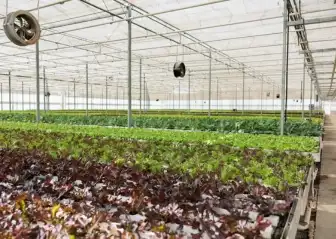
Polyhouse management is a structured approach to growing plants under a protected environment where temperature, humidity, light, and irrigation are carefully controlled. This system helps create optimal growing conditions throughout the year while protecting crops from extreme weather, pests, and environmental stress.
This guide explains what a polyhouse is, how it works, and how to manage it efficiently step by step using practical insights.
What Is a Polyhouse?
A polyhouse is a protected structure covered with transparent or semi-transparent material, usually polyethylene film. It allows sunlight to enter while shielding plants from harsh external conditions such as heavy rain, extreme temperatures, strong winds, and pests.
Polyhouses are designed to create a controlled microclimate, enabling plants to grow under stable and optimized conditions.
How a Polyhouse Works
Polyhouses work on the principle of the greenhouse effect. Sunlight enters through the transparent cover and warms the air and soil inside. The trapped heat creates a favorable growing environment, while ventilation systems regulate excess temperature and humidity.
Key components working together:
- Sunlight transmission
- Heat retention
- Air circulation
- Moisture control
- Nutrient delivery
Types of Polyhouses
Based on Climate Control
- Naturally Ventilated Polyhouse – Uses side and roof vents
- Environmentally Controlled Polyhouse – Uses fans, pads, foggers, and sensors
Based on Structure
- Quonset (Tunnel type)
- Gable roof polyhouse
- Saw-tooth polyhouse
- Multi-span polyhouse
Each type serves different climatic and operational needs.
Site Selection for a Polyhouse
Choosing the right site is critical for effective polyhouse management.
Key factors:
- Flat land with good drainage
- Maximum sunlight exposure
- Protection from strong winds
- Availability of clean water
- Easy access for maintenance
Avoid shaded areas and waterlogged soil.
Polyhouse Structure & Materials
Frame Materials
- Galvanized iron (GI) pipes
- Aluminum frames
Covering Materials
- UV-stabilized polyethylene sheets
- Thickness usually ranges from 200 microns
A strong structure ensures durability and stable climate control.
Climate Control in Polyhouse
Climate control is the backbone of polyhouse management.
Main elements:
- Temperature
- Humidity
- Light
- Airflow
Maintaining balance among these factors ensures healthy plant growth.
Temperature Management
Ideal temperature varies by crop but generally ranges between:
- Day: 18–30°C
- Night: 12–22°C
Management techniques:
- Roof ventilation
- Shade nets during summer
- Fogging systems
- Thermal screens during winter
Humidity Management
Relative humidity should be maintained between 50% and 80%.
High humidity issues:
- Fungal diseases
- Poor transpiration
Low humidity issues:
- Plant stress
- Reduced growth
Control methods:
- Ventilation
- Foggers
- Dehumidification through airflow
Ventilation Systems
Proper ventilation maintains fresh air circulation.
Types:
- Natural ventilation (side & roof vents)
- Forced ventilation (exhaust fans)
Ventilation helps regulate:
- Temperature
- Humidity
- Carbon dioxide levels
Light Management
Plants need adequate light for photosynthesis.
Light control methods:
- Shade nets to reduce intensity
- Diffused films for uniform light
- Artificial grow lights in low-light conditions
Ensure uniform light distribution inside the polyhouse.
Irrigation Systems in Polyhouse
Common Systems
- Drip irrigation
- Micro-sprinklers
- Fogging systems
Drip irrigation is preferred due to:
- Precise water delivery
- Reduced wastage
- Better root development
Nutrient Management
Nutrients are supplied through fertigation, mixing fertilizers with irrigation water.
Essential nutrients:
- Nitrogen
- Phosphorus
- Potassium
- Calcium
- Magnesium
- Micronutrients
Maintain proper EC and pH levels for effective nutrient uptake.
Growing Media & Soil Management
Polyhouses may use:
- Natural soil
- Cocopeat
- Perlite
- Vermiculite
- Rockwool
Soilless media improve:
- Drainage
- Root aeration
- Disease control
Crop Selection for Polyhouse
Suitable crops include:
- Vegetables (capsicum, cucumber, tomato)
- Leafy greens
- Herbs
- Flowers
Select crops based on climate suitability and growth requirements, not commercial value.
Planting & Spacing Practices
Correct spacing ensures:
- Better airflow
- Reduced disease spread
- Uniform growth
Follow crop-specific spacing guidelines and avoid overcrowding.
Pruning, Training & Crop Care
Regular crop care includes:
- Removing old leaves
- Training plants on trellises
- Supporting stems
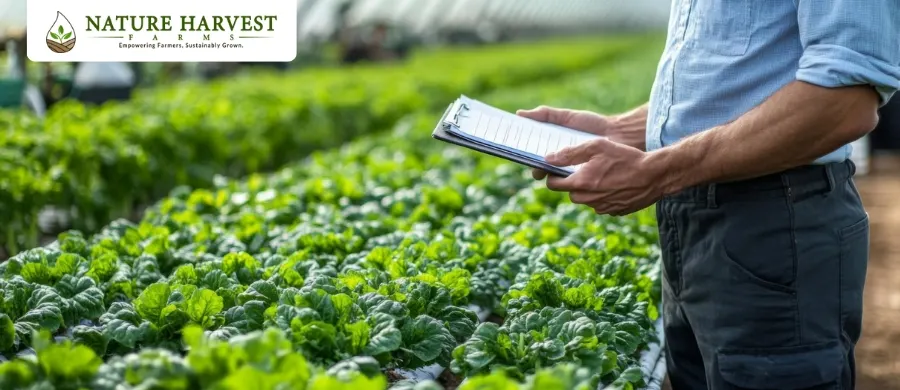
- Monitoring growth stages
These practices improve plant health and longevity.
Pest & Disease Prevention
Preventive measures:
- Insect-proof nets
- Sticky traps
- Regular monitoring
- Clean entry protocols
Avoid excessive chemical use. Focus on integrated pest management (IPM).
Water Management Best Practices
- Use clean, filtered water
- Avoid waterlogging
- Maintain consistent irrigation schedules
- Monitor moisture levels regularly
Overwatering can be as harmful as underwatering.
Seasonal Management in Polyhouse
Summer
- Use shade nets
- Increase ventilation
- Apply fogging
Winter
- Reduce ventilation
- Use thermal curtains
- Maintain minimum temperature
Seasonal adjustments are essential for stable conditions.
Maintenance & Hygiene
Routine maintenance includes:
- Cleaning poly sheets
- Checking irrigation lines
- Removing plant debris
- Disinfecting tools
Good hygiene reduces disease risks significantly.
Common Polyhouse Problems & Solutions
| Problem | Cause | Solution |
|---|---|---|
| High humidity | Poor ventilation | Improve airflow |
| Leaf yellowing | Nutrient imbalance | Adjust fertigation |
| Pest infestation | Entry points | Seal nets & monitor |
| Uneven growth | Light imbalance | Adjust shading |
Advantages of Proper Polyhouse Management
- Stable growing conditions
- Efficient resource usage
- Reduced pest pressure
- Year-round cultivation
- Improved plant health
Future of Polyhouse Cultivation
With advancements in:
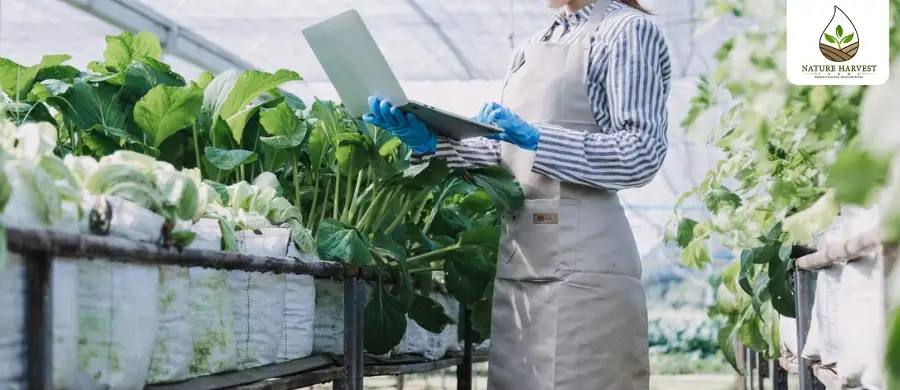
- Sensors
- Automation
- Climate control systems
Polyhouse management is becoming more precise, sustainable, and efficient, focused on plant health and environmental balance.
FAQs
What is polyhouse management?
Polyhouse management is the practice of controlling environmental conditions inside a polyhouse to support healthy plant growth.
What temperature is ideal for a polyhouse?
Most crops grow well between 18°C and 30°C during the day.
How is irrigation managed in a polyhouse?
Drip irrigation and fertigation systems are commonly used for precise water and nutrient delivery.
Is soil required in a polyhouse?
Polyhouses can use soil or soilless growing media like cocopeat.
How do you control humidity in a polyhouse?
Humidity is controlled using ventilation, foggers, and airflow management.
Conclusion
Polyhouse management is a well-structured approach to creating an ideal growing environment by carefully balancing temperature, humidity, light, water, and nutrients. When these elements are managed correctly, plants grow in stable conditions that support healthy development and consistent performance throughout different seasons.
By focusing on proper structure design, climate control, irrigation planning, regular maintenance, and preventive care, a polyhouse can function as a reliable and efficient cultivation system. As technology continues to improve, polyhouse management is becoming more precise and sustainable, making it an important method for modern, controlled environment cultivation focused on plant health and environmental balance.