 Contact Us
Consistent Quality
Controlled climate farming ensures uniform size, taste, and shelf life, regardless of season.

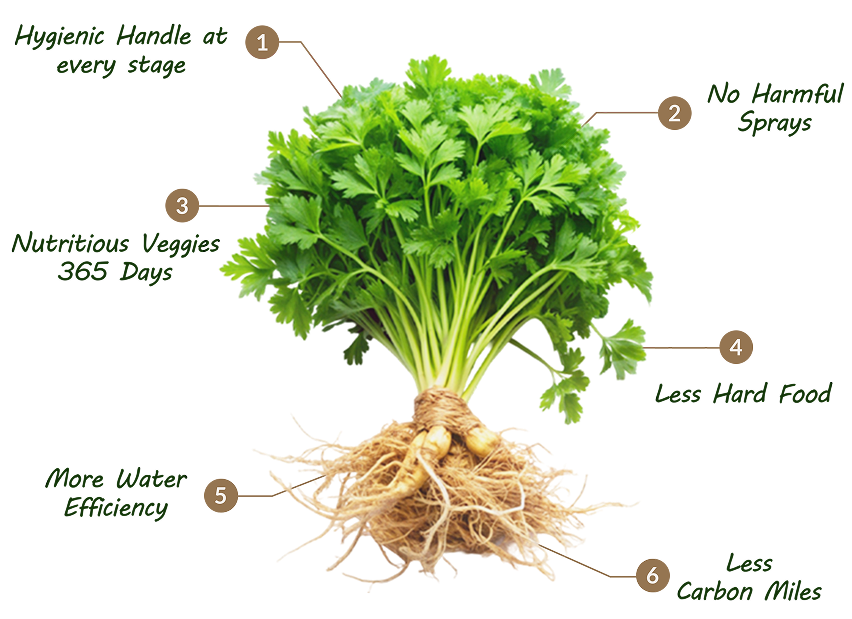
 Hydroponic Farming Farmer Empowerment Year-Round Supply Premium Quality
at all stages
Nature Harvest Farms blends sustainable farming with modern technology to ensure hygienic cultivation, consistent quality, and reliable year-round supply for our partners.
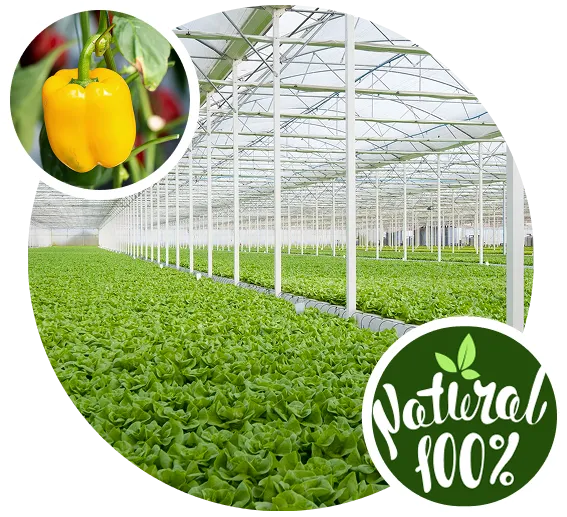
Nature Harvest Farms (NHF) focuses on growing fresh, nutritious produce using modern hydroponic and controlled environment farming practices. Our approach ensures clean cultivation, consistent quality, and reliable availability for businesses that value food safety and sustainability.
By combining technology, precision farming, and efficient resource management, we deliver vegetables that are hygienically grown, naturally nutritious, and available throughout the year without dependence on seasonal limitations.
Reduced Waste
Water Efficiency
Yield Improvement
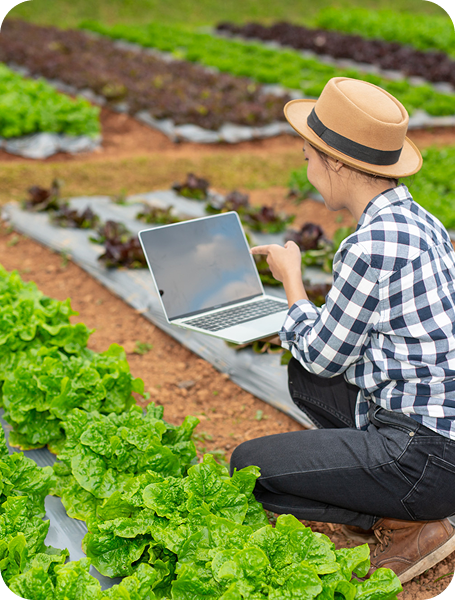
A visual glimpse of our hydroponic farms, sustainable practices, and daily operations.
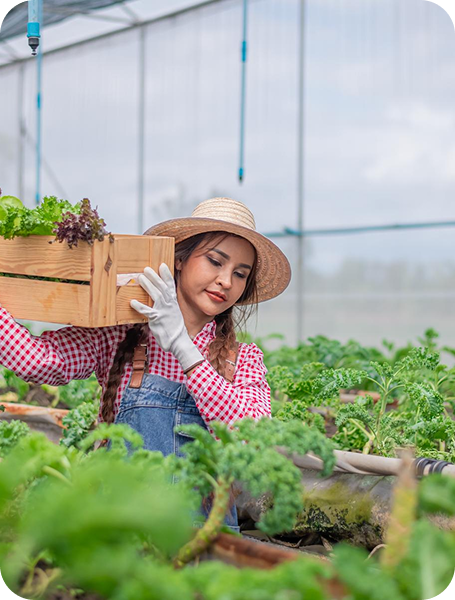
Controlled climate farming ensures uniform size, taste, and shelf life, regardless of season.

Our scalable hydroponic model supports steady, year-round supply for wholesale and HoReCa buyers.
We use up to 90% less water, minimal chemicals, and optimized logistics to reduce waste and emissions.
Everything you need to know about our farming model, produce quality, and B2B partnerships.
No. Nature Harvest Farms follows a Controlled Environment Agriculture model, which includes both hydroponic systems and controlled soil-based cultivation. We choose the growing method based on the crop, quality requirements, and sustainability goals.
NHF supplies premium, hydroponically grown produce to HoReCa buyers, wholesalers, institutional kitchens, and food processors.
Yes. Our controlled environment minimizes pests and diseases, reducing the need for harmful chemicals while ensuring food safety standards.
We empower farmers through access to modern technology, predictable income models, and market linkages reducing risk and increasing long-term stability.
CEA reduces dependence on weather, minimizes water usage, lowers pest risks, and enables year-round production. It also improves crop consistency and reduces losses, making farming more reliable for both growers and buyers.

