Table of Contents
- What Is Coloured Capsicum?
- Is Coloured Capsicum Healthy?
- Types of Coloured Capsicum
- Green, Red, and Yellow Capsicum: What Is the Difference?
- Coloured Capsicum Nutrition
- Major Coloured Capsicum Benefits
- Is Red Capsicum Healthier Than Green Capsicum?
- Raw or Cooked Capsicum: Which Is Better?
- Popular Culinary Uses of Coloured Capsicum
- Why Controlled Environment Farming Is Suitable for Capsicum
- How Nature Harvest Farms Grows Premium Produce
- Choosing the Best Capsicum Supplier in Gujarat
- Nature Harvest Farms: A Coloured Capsicum Supplier in Gujarat
- Why Buyers Need a Reliable Exotic Vegetable Supplier in Gujarat
- FAQs
- Final Thoughts
Bright, crisp and naturally flavourful, coloured capsicum has become an essential ingredient in modern Indian kitchens, restaurants, hotels, catering businesses and food-processing units. Available in attractive shades of green, red, and yellow, capsicum adds visual appeal, texture and valuable nutrients to everyday meals.
However, good-quality capsicum is not only about colour. Buyers also look for uniform size, firm texture, consistent flavour, freshness and dependable availability throughout the year. This is where controlled-environment farming can make a significant difference.
Nature Harvest Farms grows premium-quality vegetables using Controlled Environment Agriculture and precision farming practices. By carefully managing growing conditions, crop nutrition and water usage, the farm aims to provide consistent, fresh produce for restaurants, hotels, wholesalers, institutional kitchens and other B2B buyers.
In this guide, we explore the different types of coloured capsicum, their nutritional value, major coloured capsicum benefits, culinary applications, storage practices and the advantages of sourcing capsicum from a reliable supplier.
What Is Coloured Capsicum?
Coloured capsicum, commonly called bell pepper or sweet pepper, is a non-pungent vegetable belonging to the Capsicum annuum species. Unlike hot chilli peppers, bell peppers contain little or no capsaicin, the compound responsible for intense heat.
Coloured capsicums are generally available in four common varieties:
- Green capsicum
- Red capsicum
- Yellow capsicum
Although these varieties may look completely different, many coloured bell peppers begin as green fruits and change colour as they mature. Their flavour, sweetness, antioxidant profile and culinary applications may vary according to their variety and stage of ripeness.
Capsicum grows best when temperature, irrigation, crop nutrition and humidity are properly managed. The Food and Agriculture Organization notes that pepper crops are sensitive to both excessive and insufficient irrigation, making controlled water management important for fruit quality and yield.
Is Coloured Capsicum Healthy?
Yes. Coloured capsicum is a nutrient-dense vegetable that is naturally low in calories and contains vitamin C, dietary fiber, vitamin B6, folate and different antioxidant compounds.
Its exact nutrient composition varies according to the colour, variety, maturity, growing conditions, storage and cooking method. Scientific research identifies peppers as useful sources of vitamins C, A and E, folate and plant-based antioxidant compounds.
Including different colours of capsicum in meals can provide a broader range of nutrients and plant pigments.
Types of Coloured Capsicum
1. Green Capsicum
Green capsicum is generally harvested before reaching complete maturity. It has a crisp texture and a slightly bitter, grassy or mildly sharp flavour.
Because of its firm structure, green capsicum performs well in dishes that require frying, sautéing, stuffing or longer cooking.
Common uses of green capsicum
- Indian sabzis
- Kadai dishes
- Noodles
- Fried rice
- Pizza toppings
- Sandwiches
- Stuffed capsicum
- Stir-fries
- Curries
Green capsicum is generally less sweet than red, or yellow varieties, making it suitable for savoury recipes.
2. Red Capsicum
Red capsicum is known for its rich colour and naturally sweet flavour. In many varieties, it represents a more mature stage of the fruit.
Red bell peppers contain carotenoids such as beta-carotene, capsanthin and capsorubin. The concentration and profile of these pigments change as the fruit matures.
Common uses of red capsicum
- Fresh salads
- Roasted vegetables
- Pasta sauces
- Mediterranean recipes
- Sandwiches and wraps
- Grilled platters
- Dips
- Soups
- Gourmet pizza
- Stuffed bell peppers
Its sweetness makes red capsicum particularly suitable for raw and lightly cooked dishes.
3. Yellow Capsicum
Yellow capsicum has a mild, sweet flavour and vibrant appearance. It is widely used by restaurants, cafes, caterers and premium food brands because it adds contrast without overpowering other ingredients.
Common uses of yellow capsicum
- Multicoloured salads
- Pasta
- Pizza toppings
- Fajitas
- Stir-fries
- Gourmet sandwiches
- Vegetable skewers
- Continental dishes
- Catering platters
Yellow capsicum is an excellent option for chefs looking to improve both presentation and texture.
Green, Red, Yellow Capsicum: What Is the Difference?
The most noticeable differences are colour, taste, maturity and antioxidant composition.
| Capsicum colour | General flavour | Texture | Popular applications |
|---|---|---|---|
| Green | Mildly bitter and savoury | Firm and crisp | Indian dishes, frying, stuffing and curries |
| Red | Sweet and rich | Juicy and tender | Salads, roasting, sauces and grilling |
| Yellow | Mild and sweet | Crisp and juicy | Pasta, salads, pizza and catering |
No single colour needs to be considered universally “best.” Each variety offers a different taste, appearance and combination of plant compounds. Using a mixture of colours can improve visual appeal and dietary variety.
Coloured Capsicum Nutrition
Coloured capsicum provides several important nutrients while remaining naturally low in calories.
Its nutritional profile may include:
- Vitamin C
- Vitamin A precursors
- Vitamin B6
- Folate
- Vitamin E
- Dietary fiber
- Potassium
- Carotenoids
- Phenolic compounds
- Natural antioxidants
Bell peppers are especially recognized for their vitamin C content. Research also indicates that vitamin C levels can increase as some pepper varieties mature from green to red.
The actual nutritional value can vary based on the cultivar, growing method, harvest stage, freshness, storage duration and cooking process.
Major Coloured Capsicum Benefits
1. Provides Vitamin C
One of the most widely recognized coloured capsicum benefits is its vitamin C content.
Vitamin C contributes to normal immune function, collagen formation, iron absorption and protection of cells from oxidative stress. Because vitamin C is sensitive to heat, eating capsicum raw or lightly cooked may help retain more of it.
Fresh capsicum can be added to salads, sandwiches, wraps and dips to preserve its crispness and natural flavour.
2. Contains Beneficial Antioxidants
The attractive colours of bell peppers come from naturally occurring plant pigments.
Red, yellow capsicums contain different carotenoids, including beta-carotene, lutein, zeaxanthin, capsanthin and related compounds. These antioxidants help protect plant tissues and contribute to the nutritional value of peppers.
Eating vegetables of different colours is a practical way to include a wider variety of plant compounds in the diet.
3. Supports Eye Health as Part of a Balanced Diet
Certain bell pepper varieties contain lutein, zeaxanthin and beta-carotene.
Lutein and zeaxanthin are carotenoids associated with the retina, while beta-carotene can be converted by the body into vitamin A. Vitamin A contributes to the maintenance of normal vision.
Capsicum should not be treated as a cure for eye conditions, but it can be included as part of a balanced, nutrient-rich diet.
4. Supports Digestive Health
Capsicum contains dietary fiber, which supports normal digestion and contributes to bowel regularity.
It can be combined with other fiber-rich foods such as leafy vegetables, whole grains, pulses and fruits to create balanced meals.
People with digestive sensitivity may find lightly cooked capsicum easier to tolerate than large quantities of raw capsicum.
5. Naturally Low in Calories
Coloured capsicum adds volume, crunch and flavour to meals without adding excessive calories.
It is suitable for:
- Weight-conscious meal plans
- Healthy salads
- Vegetable bowls
- Low-oil recipes
- High-volume meals
- Nutritious snacking
- Balanced restaurant menus
It can also replace heavier ingredients in wraps, sandwiches and cooked preparations.
6. Adds Natural Colour Without Artificial Ingredients
Restaurants and food manufacturers increasingly seek ingredients that improve presentation naturally.
Red, yellow and green capsicum can add colour to:
- Ready-to-cook meals
- Frozen vegetable mixes
- Pizza
- Pasta
- Salads
- Sandwiches
- Sauces
- Catering platters
- Institutional meals
This makes coloured capsicum commercially valuable as both a nutritious ingredient and a presentation-enhancing vegetable.
7. Offers Excellent Culinary Versatility
Capsicum can be consumed:
- Raw
- Grilled
- Roasted
- Sautéed
- Stuffed
- Baked
- Steamed
- Blended into sauces
- Added to curries
- Used as a garnish
Its versatility allows businesses to use the same vegetable across Indian, Asian, Mediterranean, Mexican and Continental menus.
Is Red Capsicum Healthier Than Green Capsicum?
Red and green capsicums have different nutritional profiles rather than one being absolutely superior.
Green capsicum is generally harvested earlier and has a firmer, more savoury flavour. Red capsicum is usually more mature, sweeter and often contains higher concentrations of certain carotenoids.
Research suggests that pepper maturity affects vitamin levels and antioxidant composition.
The most practical approach is to include several colours in the diet instead of relying on only one variety.
Raw or Cooked Capsicum: Which Is Better?
Both forms offer advantages.
Benefits of raw capsicum
Raw capsicum:
- Retains its natural crunch
- Works well in salads and sandwiches
- May preserve more heat-sensitive vitamin C
- Requires minimal preparation
Benefits of cooked capsicum
Lightly cooking capsicum:
- Softens its texture
- Makes it easier to add to curries and sauces
- Develops sweetness
- May improve the availability of some carotenoids
- Can make it easier to digest for some people
Overcooking may reduce crispness and some heat-sensitive nutrients. Light sautéing, grilling or roasting is often a good balance between flavour and nutrient retention.
Popular Culinary Uses of Coloured Capsicum
Indian cooking
Coloured capsicum can be used in:
- Paneer tikka
- Kadai paneer
- Mixed vegetable sabzi
- Capsicum masala
- Stuffed capsicum
- Tawa vegetables
- Pulao
- Indo-Chinese dishes
Restaurant and cafe menus
Restaurants frequently use capsicum in:
- Pizza
- Pasta
- Burgers
- Sandwiches
- Wraps
- Salads
- Grilled platters
- Sizzlers
- Stir-fries
- Soups
Catering and institutional kitchens
For caterers, hotels and institutional kitchens, coloured capsicum offers several practical advantages:
- Easy portioning
- Attractive presentation
- Broad menu compatibility
- Quick cooking
- Compatibility with vegetarian recipes
- Suitable for bulk preparation
Food processing
Food processors may use coloured capsicum in:
- Frozen vegetable mixes
- Ready-to-cook products
- Sauces
- Pickles
- Dips
- Packaged salads
- Meal kits
- Pizza topping blends
For these applications, consistency in size, colour, texture and supply is particularly important.
Why Controlled Environment Farming Is Suitable for Capsicum
Capsicum is sensitive to environmental fluctuations, especially changes in temperature, moisture and irrigation.
According to the FAO, pepper crops perform well within suitable temperature ranges, while excessive rainfall during flowering can cause flower shedding and poor fruit setting. Water shortage during flowering can also reduce the number of fruits.
Controlled Environment Agriculture helps growers manage important crop conditions more precisely.
These may include:
- Temperature
- Humidity
- Irrigation
- Nutrient delivery
- Airflow
- Pest exposure
- Plant spacing
- Crop monitoring
This controlled approach can support more predictable harvesting, uniform produce and efficient resource use.
How Nature Harvest Farms Grows Premium Produce
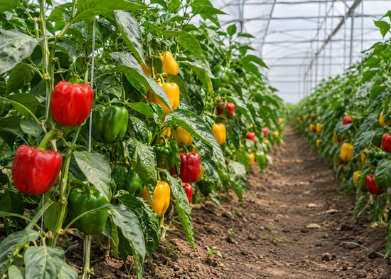
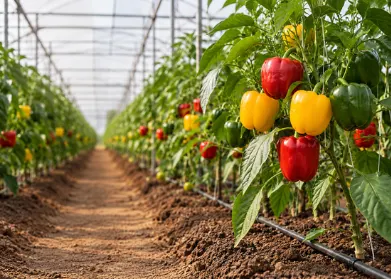
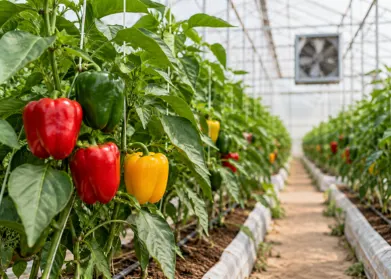
Nature Harvest Farms follows a Controlled Environment Agriculture model that combines hydroponic systems and controlled soil-based cultivation according to crop requirements.
Its farming approach is designed around:
Consistent quality
Controlled growing conditions support uniformity in size, appearance, taste and shelf performance.
Reliable year-round supply
Reduced dependence on unpredictable weather helps create a more stable supply model for B2B buyers.
Resource-efficient production
Nature Harvest Farms states that its controlled farming model uses up to 90% less water while optimising crop inputs and reducing waste.
Reduced pest pressure
A controlled growing environment can reduce exposure to certain pests and diseases, helping lower dependence on unnecessary chemical applications.
Better support for commercial buyers
Restaurants, hotels, caterers, wholesalers and institutional kitchens require consistency- not only during peak season, but across recurring orders.
Nature Harvest Farms develops its production model around predictable supply, scalable cultivation and dependable buyer partnerships.
Choosing the Best Capsicum Supplier in Gujarat
Finding the best capsicum supplier in Gujarat requires more than comparing prices. Commercial buyers should evaluate quality, consistency, handling and supply reliability.
Consider the following factors.
1. Freshness
Capsicum should feel firm and crisp, with smooth skin and vibrant colour. Soft spots, wrinkling or excessive moisture can indicate ageing or poor handling.
2. Uniform grading
Consistent sizing helps hotels, restaurants and food processors maintain predictable portioning, cooking time and presentation.
3. Reliable availability
A dependable supplier should be able to communicate harvest schedules and expected order availability clearly.
4. Production transparency
Understanding how the crop is grown, harvested and handled can help buyers make better procurement decisions.
5. Bulk supply capability
A supplier serving B2B clients should have systems for recurring orders, quality grading and scalable delivery.
6. Post-harvest handling
Proper sorting, packing and storage help preserve texture and reduce damage during transport.
7. Location and logistics
Working with a regional coloured capsicum supplier in Gujarat may help reduce transportation time and simplify communication.
Nature Harvest Farms: A Coloured Capsicum Supplier in Gujarat
Nature Harvest Farms is located in the Anand district of Gujarat and supplies premium produce for business requirements.
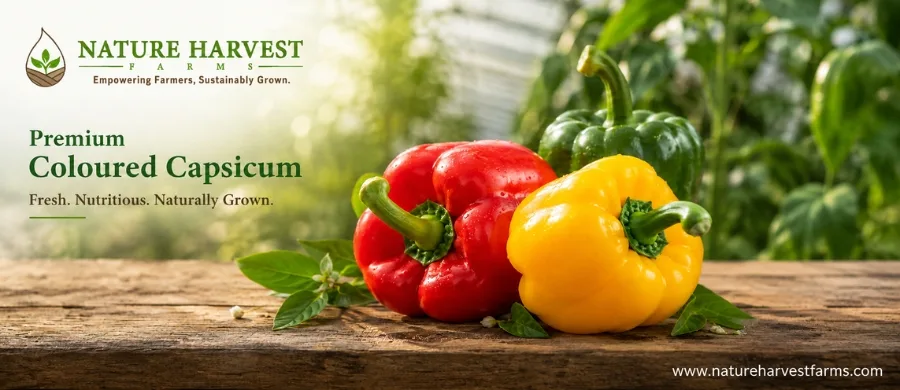
As a growing coloured capsicum supplier in Gujarat, the company focuses on controlled cultivation, consistent batches, resource efficiency and reliable supply.
Its produce is suitable for:
- Hotels
- Restaurants
- Cafes
- Caterers
- Wholesalers
- Retail chains
- Institutional kitchens
- Food processors
- Premium vegetable distributors
Businesses searching for a fresh bell pepper supplier Gujarat can benefit from working with a farm that understands the importance of harvest planning, freshness, product uniformity and recurring order fulfilment.
Why Buyers Need a Reliable Exotic Vegetable Supplier in Gujarat
Demand for premium vegetables is increasing across restaurants, hotels, cloud kitchens, modern retail stores and food-processing businesses.
However, sourcing exotic vegetables can be challenging because buyers often experience:
- Seasonal shortages
- Inconsistent grading
- Unpredictable pricing
- Variable freshness
- Supply interruptions
- Quality differences between batches
A dependable exotic vegetable supplier in Gujarat can help buyers establish a more consistent procurement system.
Along with capsicum, commercial kitchens may require lettuce, English cucumber, cherry tomatoes and other premium vegetables. Working with an organised farm supplier can simplify sourcing while improving traceability and communication.
Nature Harvest Farms cultivates capsicum, lettuce, English cucumber and cherry tomatoes as part of its premium produce portfolio.
How to Select Fresh Coloured Capsicum
Look for the following signs:
- Bright, uniform colour
- Firm texture
- Smooth and glossy skin
- Fresh-looking green stem
- Good weight for its size
- No deep cuts
- No soft patches
- No visible mould
- No excessive wrinkling
Minor natural variations may occur, but the capsicum should feel fresh, strong and crisp.
How to Store Coloured Capsicum
Correct storage helps maintain freshness and reduce wastage.
For household use
- Keep capsicum unwashed until use.
- Store it in the refrigerator’s vegetable compartment.
- Avoid trapping excessive moisture around the produce.
- Wash it thoroughly before cutting.
- Use cut capsicum as soon as practical.
For restaurants and commercial kitchens
- Inspect deliveries immediately.
- Separate damaged vegetables from healthy stock.
- Store capsicum under suitable chilled conditions.
- Avoid crushing it under heavier vegetables.
- Follow first-in, first-out inventory rotation.
- Record received quantities and wastage.
- Order according to realistic consumption patterns.
Good storage practices can help protect product quality and improve kitchen profitability.
FAQs
What is coloured capsicum?
What are the main coloured capsicum benefits?
Which colour capsicum is the healthiest?
Is coloured capsicum good for daily consumption?
Can coloured capsicum be eaten raw?
Is capsicum suitable for weight-conscious diets?
Why is controlled farming useful for capsicum?
Where can businesses buy coloured capsicum in Gujarat?
Does Nature Harvest Farms supply other exotic vegetables?
How can I choose the best capsicum supplier in Gujarat?
Final Thoughts
Coloured capsicum brings together nutrition, visual appeal, versatility and commercial value. Green capsicum offers firmness and a savoury flavour, while red, yellow varieties add sweetness, colour and a diverse range of natural plant pigments.
For hotels, restaurants, caterers, wholesalers and food processors, sourcing quality capsicum consistently is just as important as selecting the right variety.
Nature Harvest Farms combines Controlled Environment Agriculture, resource-efficient cultivation and structured B2B supply to deliver premium produce with greater consistency throughout the year.
Businesses searching for a dependable coloured capsicum supplier in Gujarat, fresh bell pepper supplier Gujarat, best capsicum supplier in Gujarat or reliable exotic vegetable supplier in Gujarat can connect with Nature Harvest Farms to discuss fresh produce availability and bulk requirements.